



Project Equipment
J58KSeries齿轮传动式数控电动螺旋压力机
The geometric shape of the arm steering knuckle is complex and difficult to forge. The initial billet with small ends and large middle is obtained through preliminary extrusion, and then the middle is flattened to obtain a flat shape. The finished parts are obtained after pre-forging and final forging through a two-piece die, which effectively improves the material utilization rate, obtains relatively uniform material flow, reduces the risk of folding or cracking, improves its metal streamline, and obtains more uniform mechanical properties and hardness distribution
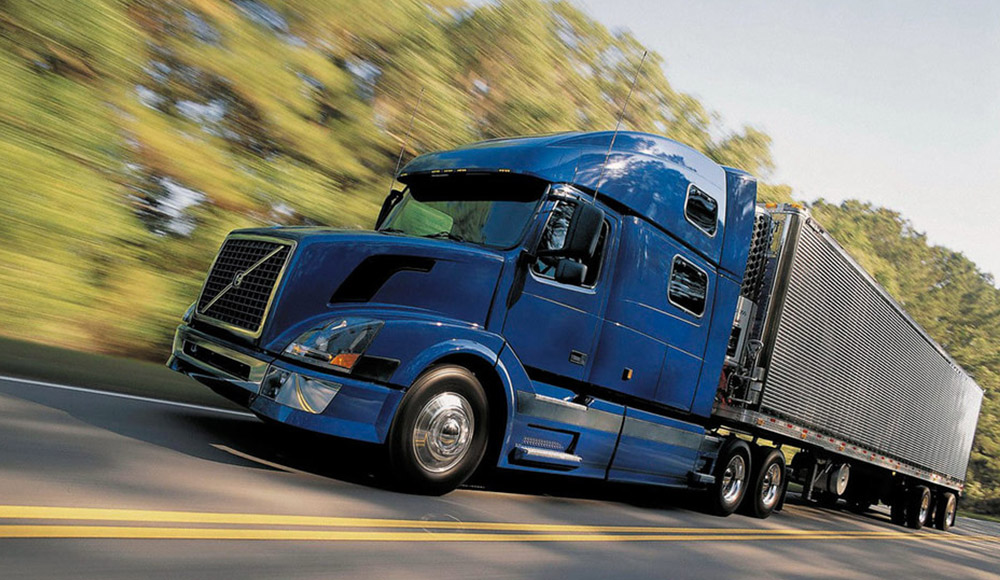
Commercial Vehicles
Industry
Knuckle Arm
Forgings
Low Alloy Steel
Material
Automation
Mode
800℃-1200℃
Temperature Range
<120s/item
Lead Time
Forged aerospace components operate under extreme conditions—high temperature, high pressure, and high stress—where material performance and process reliability are critical to flight safety.
Forged automotive components are essential to powertrain, suspension, and steering systems, directly affecting vehicle performance, safety, and service life.
Forged components serve civil engineering, mining, and agricultural machinery, with load-bearing capacity, wear resistance, and durability tailored to each application.
Aluminum alloy forgings combine light weight and high strength for automotive and aerospace structures.
Energy forgings for wind, thermal, and nuclear power operate under high temperature, high pressure, or cyclic loading, directly impacting safety and efficiency.